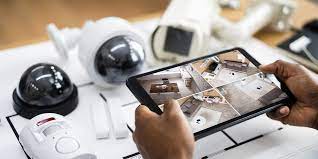

Home security used to mean locks, alarms, and maybe a sign in the yard. Now it means AI-powered cameras, facial recognition, app-based control, and smart locks that know who you are. Home security technology has evolved from reactive to proactive—and homeowners are benefitting with more control, better awareness, and fewer false alarms.
This isn’t just about convenience—it’s about redefining what it means to feel safe at home.
Smart Cameras: Eyes That Think
Traditional security cameras recorded what happened. Today’s smart cameras understand what they’re seeing and alert you in real time.
Take the Arlo Pro 5S, one of the most advanced models on the market. It can distinguish between people, pets, packages, and vehicles. That means fewer pointless notifications and more useful alerts. If a person walks up to your door at midnight, you’ll know instantly. If a raccoon runs across the driveway, the system knows it’s not a threat.
Google Nest Cam and Ring’s Spotlight Cam Pro also offer similar AI features, along with smart motion zones, so you can customize what areas matter most. Want to monitor your front porch but not the sidewalk? Done.
Some models even offer facial recognition. EufyCam 3, for example, can identify familiar faces and let you know if it’s a stranger or your kid coming home from school.
Video Doorbells: More Than a Camera
Video doorbells have gone from novelty to must-have. They’re often the first smart security product people buy—and for good reason. Devices like the Ring Video Doorbell Pro 2 use radar to track the exact path of a person walking up to your door, giving you a bird’s eye view of their movement. It’s not just a snapshot—it’s a timeline.
Google Nest Doorbell adds package detection and integrates with smart displays to show who’s at the door instantly. You can talk to visitors through two-way audio, whether you’re at home or across the world.
These tools aren’t just about catching porch pirates. They create a sense of presence even when you’re not home, and often deter trouble before it starts.
Smart Locks: The New Key Is No Key
Fumbling with keys is over. Smart locks like the August Wi-Fi Smart Lock let you lock and unlock your door from your phone. You can set it to auto-lock when you leave and unlock when you arrive. Give temporary access codes to guests, dog walkers, or cleaners—and revoke them anytime.
The Yale Assure Lock 2 goes further with voice control integration and door position sensors. Want to know if your door is actually shut, not just locked? You’ll get an alert.
For renters or people hesitant about replacing a deadbolt, some locks retrofit over existing hardware. Installation takes 10 minutes, but the upgrade in convenience and control is major.
Total Security Systems Without Subscriptions
Full smart security systems used to mean paying a monthly fee. But companies like Eufy are breaking that mold. Their Edge Security System stores video locally on a HomeBase device, using AI to process footage without sending anything to the cloud. That means no recurring charges, no bandwidth drain, and more privacy.
DIY systems like SimpliSafe and Abode also offer affordable, expandable setups that you can monitor yourself or subscribe to professional monitoring—your choice.
Privacy Matters More Than Ever
As smart security grows, so do concerns about privacy. Consumers are asking tough questions: Who sees my footage? Is my data encrypted? What happens if the cloud gets hacked?
Companies are responding. Arlo and Eufy now offer encrypted local storage. Apple’s HomeKit Secure Video processes footage on your device before sending encrypted video to iCloud, where even Apple can’t view it.
Some homeowners are choosing systems that keep everything local or avoid internet access entirely. Others stick with cloud options for easier access and backup. The key is choice and transparency—users want to know what they’re signing up for.
Smart Sensors and Automation
Security isn’t just about cameras and locks. Motion detectors, window sensors, and smart lights are now part of the ecosystem. These devices can trigger routines that add layers of protection.
Imagine this: your front door opens unexpectedly while you’re away. Instantly, your hallway lights turn on, cameras record, an alert pings your phone, and your smart speaker plays a warning message. That’s automation at work.
Philips Hue outdoor lights can flash when motion is detected. Aqara sensors can detect door/window activity and even trigger alarms or texts. Everything works together in a smart ecosystem—especially with platforms like Apple Home, Google Home, and Amazon Alexa tying it all together.
The Rise of Professional-Grade DIY
In the past, you needed to hire a security company and commit to a long-term contract. Today, DIY systems rival professional installs in quality and features.
Brands like Ring Alarm Pro, Wyze, and SimpliSafe offer plug-and-play systems with motion sensors, sirens, and cellular backup. Set them up in an hour, monitor via app, and upgrade components as needed.
Want facial recognition? Add a smart cam. Want flood sensors or glass break detectors? Snap them in. DIY is now professional-grade—with none of the pressure sales or long contracts.
Real-Time Alerts Mean Real Peace of Mind
The beauty of smart security is that it keeps you informed in real time. Someone knocks? You see them. A door opens unexpectedly? You’re notified. A stranger approaches at 2 AM? You get footage and a phone alert instantly.
This constant connection adds peace of mind—not just for homeowners, but for parents, travelers, and anyone who wants to keep an eye on things remotely.
And with integration into smart assistants, it gets even smoother. “Alexa, show me the front door” is now a security command.
Looking Ahead: What’s Next for Smart Security
We’re already seeing AI and automation reshape security, but there’s more coming. Expect to see:
- Drone patrols that launch automatically when motion is detected.
- Predictive alerts that learn your patterns and flag unusual activity.
- Biometric locks using fingerprints or retina scans.
- Deeper integration with other smart systems—like HVAC shutting down during a fire alert or doors unlocking automatically for first responders.
Security will shift from passive to intelligent—learning your routines, anticipating threats, and responding instantly. All while giving you complete control from anywhere.
Bottom Line:
Smart home security has become more than cameras and alarms—it’s a personalized, AI-driven system that protects your home in real time. Whether you’re installing one smart lock or building a full ecosystem of devices, today’s tech gives you more control, better privacy, and stronger peace of mind. The future of home security is smarter, faster, and already here.
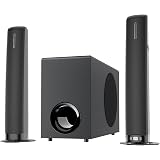
Assistrust 2.1CH Sound Bar with Subwoofer, 110W Home Theater Sound System, Bluetooth 5.3, ARC, Optical & AUX Connection, 3 EQ Modes, Adjustable Bass for TV, PC, Gaming and Projector
$75.97 (as of October 16, 2026 01:47 GMT +00:00 - More infoProduct prices and availability are accurate as of the date/time indicated and are subject to change. Any price and availability information displayed on [relevant Amazon Site(s), as applicable] at the time of purchase will apply to the purchase of this product.)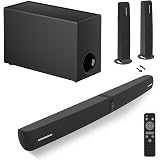
Assistrust Sound Bar with Subwoofer, 110W Sound Bar for Smart TV with Adjustable Deep Bass & Volume Boost & 3 Equalizer Modes, Bluetooth/ARC/Opt/AUX, Detachable Soundbar for TV/PC/Gaming/Projectors
$79.99 (as of October 16, 2026 01:47 GMT +00:00 - More infoProduct prices and availability are accurate as of the date/time indicated and are subject to change. Any price and availability information displayed on [relevant Amazon Site(s), as applicable] at the time of purchase will apply to the purchase of this product.)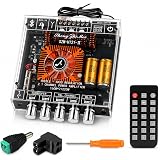
Cozychord HT21-II 2.1 Channel Bluetooth 5.1 Amp Board, TWS, 160W x 2 + 220W | FM/USB/AUX Inputs, IR Remote, 5-Knob Treble/Bass/Subwoofer Tuning, Active Fan Cooling & 5-Level Protection for DIY Speakers
$37.99 (as of October 16, 2026 01:47 GMT +00:00 - More infoProduct prices and availability are accurate as of the date/time indicated and are subject to change. Any price and availability information displayed on [relevant Amazon Site(s), as applicable] at the time of purchase will apply to the purchase of this product.)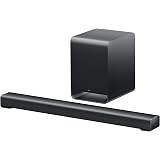
TCL S60K S Series 3.1 Channel Sound Bar with Dolby Atmos, DTS:X, Wireless Subwoofer, Bluetooth Music Streaming, and AI Sonic Auto Room Calibration
$169.99 (as of October 16, 2026 01:47 GMT +00:00 - More infoProduct prices and availability are accurate as of the date/time indicated and are subject to change. Any price and availability information displayed on [relevant Amazon Site(s), as applicable] at the time of purchase will apply to the purchase of this product.)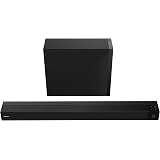
Toshiba C210WR 2.1 CH soundbar with Wireless subwoofer, Dolby Audio, DTS Virtual:X, Easy Control, 6 EQ Modes, Bluetooth 5.4
$129.99 (as of October 16, 2026 01:47 GMT +00:00 - More infoProduct prices and availability are accurate as of the date/time indicated and are subject to change. Any price and availability information displayed on [relevant Amazon Site(s), as applicable] at the time of purchase will apply to the purchase of this product.)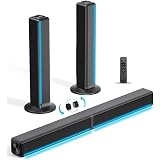
Wlep Sound Bar for Smart TV, 2 in 1 Detachable Soundbar with Dual Built-in Subwoofers, Bluetooth 5.3 Surround Sound with RGB Light, HDMI ARC/Optical/AUX, All-in-One Audio for Gaming, PC & Projectors
$69.99 (as of October 16, 2026 01:47 GMT +00:00 - More infoProduct prices and availability are accurate as of the date/time indicated and are subject to change. Any price and availability information displayed on [relevant Amazon Site(s), as applicable] at the time of purchase will apply to the purchase of this product.)