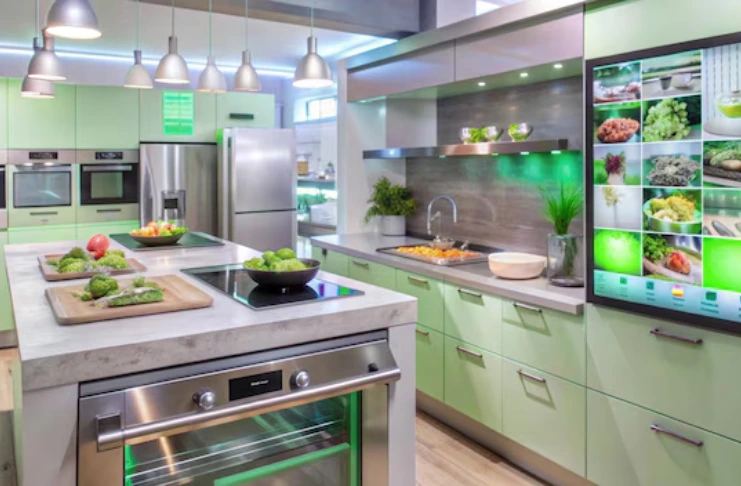

The kitchen is no longer just a place to prepare meals—it’s becoming the brain of the modern smart home. From AI-assisted ovens to voice-controlled faucets, smart kitchen products are evolving rapidly, making cooking faster, more efficient, and more personalized. What was once a futuristic concept is now a daily convenience, transforming everything from how we store ingredients to how we clean up afterward.
AI-Powered Cooking Takes the Guesswork Out
One of the standout innovations in smart kitchens is the use of artificial intelligence in cooking appliances. The GE Profile Smart Oven is a prime example. It uses a combination of built-in cameras, sensors, and machine learning to recognize the type of food placed inside and adjust cooking times and temperatures automatically. Whether you’re roasting vegetables or baking salmon, the oven learns your preferences and ensures consistent results.
Another trailblazer is the Brava Oven, which uses visible and infrared light instead of traditional heating elements. It can cook multiple ingredients at different temperatures—all at the same time, on the same tray. This means you can make a full meal—say, salmon, asparagus, and sweet potatoes—in one go without overcooking anything. The Brava also connects to a library of chef-created recipes and adjusts cook settings in real time.
Refrigerators Get Smarter, Too
Refrigerators are evolving into digital hubs of their own. The Samsung Family Hub fridge features an interior camera that tracks what’s inside and sends you updates when you’re running low on certain items. Its touchscreen can display calendars, to-do lists, recipes, and even play music or show TV. But beyond the bells and whistles, the real innovation lies in its ability to sync with your smartphone and smart speakers to help manage groceries and reduce food waste.
Imagine getting a notification that your milk is about to expire—or being able to peek inside your fridge while you’re at the grocery store. These conveniences are becoming standard features in premium kitchen appliances.
Smarter Faucets and Precision Tools
Water management is another area seeing smart innovation. Moen’s smart faucet allows for precise voice-activated control—like asking for exactly one cup of hot water to be dispensed. You can also set temperatures, control flow via app, or wave your hand to turn it on and off. It’s not just about convenience; smart faucets help save water, encourage handwashing, and reduce contact points for better hygiene.
Smart kitchen scales, thermometers, and even cutting boards are also entering the market. Tools like the MEATER smart meat thermometer let you monitor internal food temperatures from your phone, ensuring that your meat is perfectly cooked every time.
Connected Coffee Makers, Air Fryers, and Beyond
Routine appliances are getting smarter, too. Coffee makers like Keurig’s K-Supreme Plus Smart let you brew from your phone and remember your favorite settings. Smart air fryers from Instant Brands can be scheduled, preheated, and monitored from an app. Even pressure cookers like the Instant Pot Pro Plus now feature Wi-Fi connectivity and step-by-step instructions through their companion app.
What ties all these devices together is ecosystem compatibility. Products that work with Amazon Alexa, Google Assistant, or Apple HomeKit create a seamless environment where you can say, “Start the coffee,” or “Preheat the oven to 375,” without lifting a finger.
Sustainability and Smarter Waste Management
Beyond speed and control, smart kitchens are becoming more sustainable. Smart compost bins like Lomi break down organic waste quickly and cleanly right on your countertop. Dishwashers such as Bosch’s Home Connect series analyze load size and water usage, helping reduce utility bills and environmental impact.
Smart inventory tracking also helps reduce food waste. Apps and devices that monitor what’s in your pantry or fridge can remind you to use ingredients before they expire, suggest recipes based on what you have, or automatically add items to your shopping list.
The Bigger Picture: Kitchens as Command Centers
As more devices connect and communicate, the kitchen is transforming into a central command center for the home. Lighting, music, calendars, and security systems can all be managed from a central hub—often right on the refrigerator door or through a smart speaker. This is especially useful in busy households where multitasking is the norm.
Voice assistants like Amazon Echo Show or Google Nest Hub are often found on countertops, guiding users through recipes, setting timers, converting measurements, and even making grocery lists hands-free. For people with disabilities or limited mobility, this kind of hands-free interaction can be a game-changer.
Challenges and Considerations
With all this innovation, there are still some hurdles. Cost is a major factor—most smart appliances come at a premium. Compatibility between brands can also be an issue, though that’s improving with industry standards like Matter, which aims to unify smart home devices under one protocol.
There are also concerns about data privacy. Many smart kitchen devices collect usage data to personalize experiences, and consumers are increasingly asking how that data is used or shared. Manufacturers will need to maintain transparency and provide strong privacy controls to keep user trust.
Where It’s All Heading
The future of the smart kitchen is about more than just gadgets—it’s about creating an experience that’s faster, safer, and more intuitive. As AI continues to evolve, we may see predictive cooking systems that anticipate your needs, or fully autonomous kitchens that prepare meals with minimal input.
Companies like Moley Robotics are even developing robotic kitchen assistants capable of cooking entire meals from scratch using robotic arms and built-in recipe libraries. While still expensive and in early stages, it’s a glimpse of where things might go.
Bottom Line:
The smart kitchen is no longer a niche market—it’s the next phase of home automation. With AI-powered appliances, app control, and sustainable features, smart kitchens are redefining convenience. Whether you’re a home cook or a tech enthusiast, these tools are designed to make life easier, one meal at a time.
Dnil Portable Slim Sound Bar, Wireless Bluetooth Speaker, a Rechargeable Bluetooth Speaker for Indoor & Outdoor Use, Great for TV, Music, Exercise, Beach, and Travel.
$79.96 (as of October 16, 2026 01:47 GMT +00:00 - More infoProduct prices and availability are accurate as of the date/time indicated and are subject to change. Any price and availability information displayed on [relevant Amazon Site(s), as applicable] at the time of purchase will apply to the purchase of this product.)
Toshiba C210WR 2.1 CH soundbar with Wireless subwoofer, Dolby Audio, DTS Virtual:X, Easy Control, 6 EQ Modes, Bluetooth 5.4
$129.99 (as of October 16, 2026 01:47 GMT +00:00 - More infoProduct prices and availability are accurate as of the date/time indicated and are subject to change. Any price and availability information displayed on [relevant Amazon Site(s), as applicable] at the time of purchase will apply to the purchase of this product.)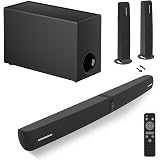
Assistrust Sound Bar with Subwoofer, 110W Sound Bar for Smart TV with Adjustable Deep Bass & Volume Boost & 3 Equalizer Modes, Bluetooth/ARC/Opt/AUX, Detachable Soundbar for TV/PC/Gaming/Projectors
$79.99 (as of October 16, 2026 01:47 GMT +00:00 - More infoProduct prices and availability are accurate as of the date/time indicated and are subject to change. Any price and availability information displayed on [relevant Amazon Site(s), as applicable] at the time of purchase will apply to the purchase of this product.)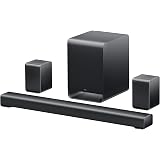
TCL S65K S Series 5.1 Channel Soundbar System with Dolby Atmos, DTS:X, Wireless Subwoofer, Wireless Surround Speakers, Bluetooth Music Streaming, and AI Sonic Auto Room Calibration
$249.99 (as of October 16, 2026 01:47 GMT +00:00 - More infoProduct prices and availability are accurate as of the date/time indicated and are subject to change. Any price and availability information displayed on [relevant Amazon Site(s), as applicable] at the time of purchase will apply to the purchase of this product.)
WebsLand Sound Bar for Smart TV, 2‑in‑1 Detachable, 31" 80W Surround Sound | Dual Upgraded Woofers & Silk‑Horn Tweeters, Bluetooth 5.3, ARC/AUX/Optical, Home Theater Speaker for TV, Projector & PC
$69.99 (as of October 16, 2026 01:47 GMT +00:00 - More infoProduct prices and availability are accurate as of the date/time indicated and are subject to change. Any price and availability information displayed on [relevant Amazon Site(s), as applicable] at the time of purchase will apply to the purchase of this product.)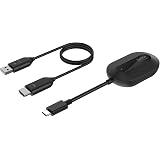
Belkin ConnectAir Wireless HDMI Display Adapter for USB C Laptop, Tablet | Compact Plug & Play Receiver, 1080p@60Hz HD Streaming, Projector, Screen Sharing, Travel Accessories, No WiFi Needed
$142.49 (as of October 16, 2026 01:47 GMT +00:00 - More infoProduct prices and availability are accurate as of the date/time indicated and are subject to change. Any price and availability information displayed on [relevant Amazon Site(s), as applicable] at the time of purchase will apply to the purchase of this product.)